

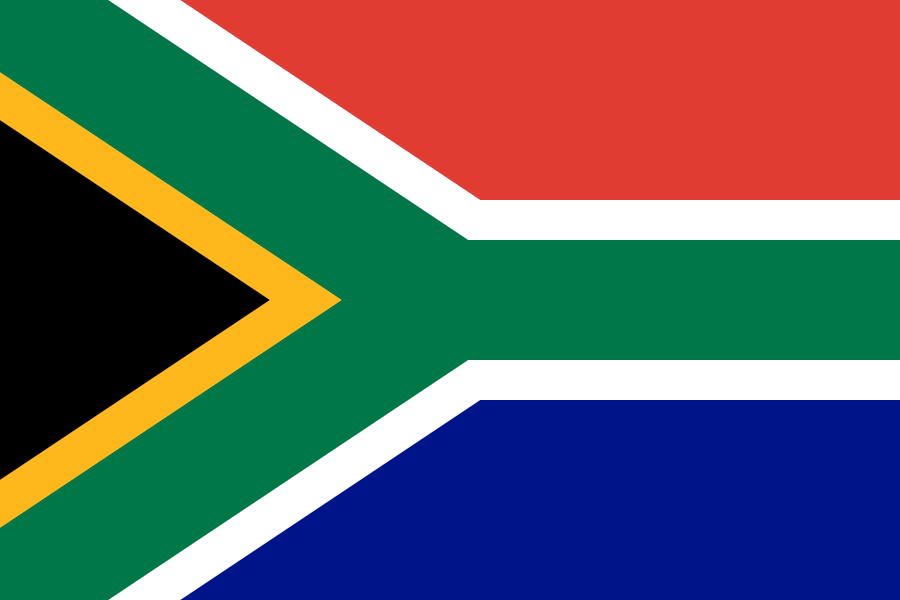
CFJ Fellowship 2027 places early-career women lawyers in host organizations to work on strategic litigation, legal representation, and advocacy for gender justice. The CFJ Fellowship is a paid placement that includes mentorship, training, and access to a network of lawyers and activists and supports work protecting women and children from violence.
The fellowship is run by the Centre for Feminist Justice (CFJ) and places fellows in human rights organisations, legal aid clinics, or government institutions in Kenya, Malawi, The Gambia, or South Africa. CFJ provides mentorship, a monthly online training programme, at least one in-person convening, and enrollment in an alumni programme.
CFJ Fellowship Benefits
- Paid work placement at a host organization.
- Mentorship from CFJ leadership and human rights experts.
- Monthly online training programme + at least one in‑person convening.
- Access to a global network of lawyers, judges, activists, and academics.
- Enrollment in the CFJ Fellowship Alumni Programme for continued collaboration.
CFJ Fellowship Eligibility Criteria
- Hold a law degree from a recognized institution.
- Be admitted to practice law in the host country (Kenya, Malawi, South Africa, or The Gambia).
- Have up to 5 years of post‑qualification experience.
- Demonstrate commitment to women’s rights and human rights advocacy.
- Have the right to work in the host country (CFJ does not cover relocation/work authorization costs).
- Be fluent in English; proficiency in other local languages is an advantage.
Required Documents
- CV and cover letter (in English).
- Proof of law degree and practicing certificate.
- Evidence of work authorization in host country.
- Statement of interest outlining motivation and alignment with CFJ’s mission.
How to Apply for CFJ Fellowship
- Register for an account on the CFJ Fellowship portal.
- Submit CV and cover letter in English.
- Outline your interest, relevant experience, and motivation.
- Applications reviewed on a rolling basis; shortlisted candidates contacted.
Frequently Asked Questions (FAQs)
Here are the most frequently asked questions about the CFJ Fellowship. These answers cover eligibility, benefits, deadlines, placement locations, and how to apply based on the official programme details.
What is the CFJ Fellowship?
The CFJ Fellowship places young lawyers in human rights organisations, legal aid clinics, or government institutions in Kenya, Malawi, The Gambia, or South Africa. Fellows work on strategic litigation, legal representation, and advocacy to advance gender justice and protect women and children from violence.
Who runs the CFJ Fellowship?
The fellowship is run by the Centre for Feminist Justice (CFJ). CFJ provides mentorship from leadership and human rights experts, online training, at least one in-person convening, and enrolment in the CFJ Fellowship Alumni Programme for continued collaboration.
What is the duration of the fellowship?
The fellowship lasts one year as a full-time placement in the host country. Fellows are expected to support host organisations with legal assistance, research, drafting, advocacy, and to participate in mentoring, training, and networking activities.
What are the application requirements?
Applicants must submit a CV and cover letter in English, proof of law degree and practicing certificate, evidence of work authorization in the host country, and a statement of interest outlining motivation and alignment with CFJ’s mission.
Who is eligible to apply?
Eligible applicants must hold a law degree from a recognized institution, be admitted to practice law in the host country (Kenya, Malawi, South Africa, or The Gambia), have up to five years post-qualification experience, be committed to women’s rights, and have the right to work in the host country.
Is the fellowship paid and what benefits are provided?
Yes, the CFJ Fellowship is a paid placement. Benefits listed include a paid work placement at a host organisation, mentorship from CFJ leadership and experts, monthly online training plus at least one in-person convening, access to a global network, and enrollment in the alumni programme.
What are fellows expected to do during the placement?
Fellows are expected to support host organisations with legal assistance, research, drafting, and advocacy; identify and support at least one strategic litigation case with CFJ; carry out at least two outreach activities for students on women’s and children’s rights; and participate in mentoring, training, and networking.
What documents do I need to apply?
Required documents include a CV and cover letter in English, proof of law degree and practising certificate, evidence of work authorization in the host country, and a statement of interest outlining motivation and alignment with CFJ’s mission.
When is the application deadline?
The application deadline is October 20, 2026, 12 pm SAST. The listing also notes that applications are reviewed on a rolling basis and shortlisted candidates will be contacted.
How are applications reviewed and what is the selection process?
Applications are reviewed on a rolling basis according to the posting. Shortlisted candidates are contacted. The post instructs applicants to register for an account on the CFJ Fellowship portal and submit required documents; further selection details are not provided in the HTML.
Discover more from Scholarship Union
Subscribe to get the latest posts sent to your email.